News & Insights
From Downtime to Profit: The Hidden Cost of Poor Transformer Maintenance
Why Ignoring Maintenance Today Leads to Expensive Failures Tomorrow
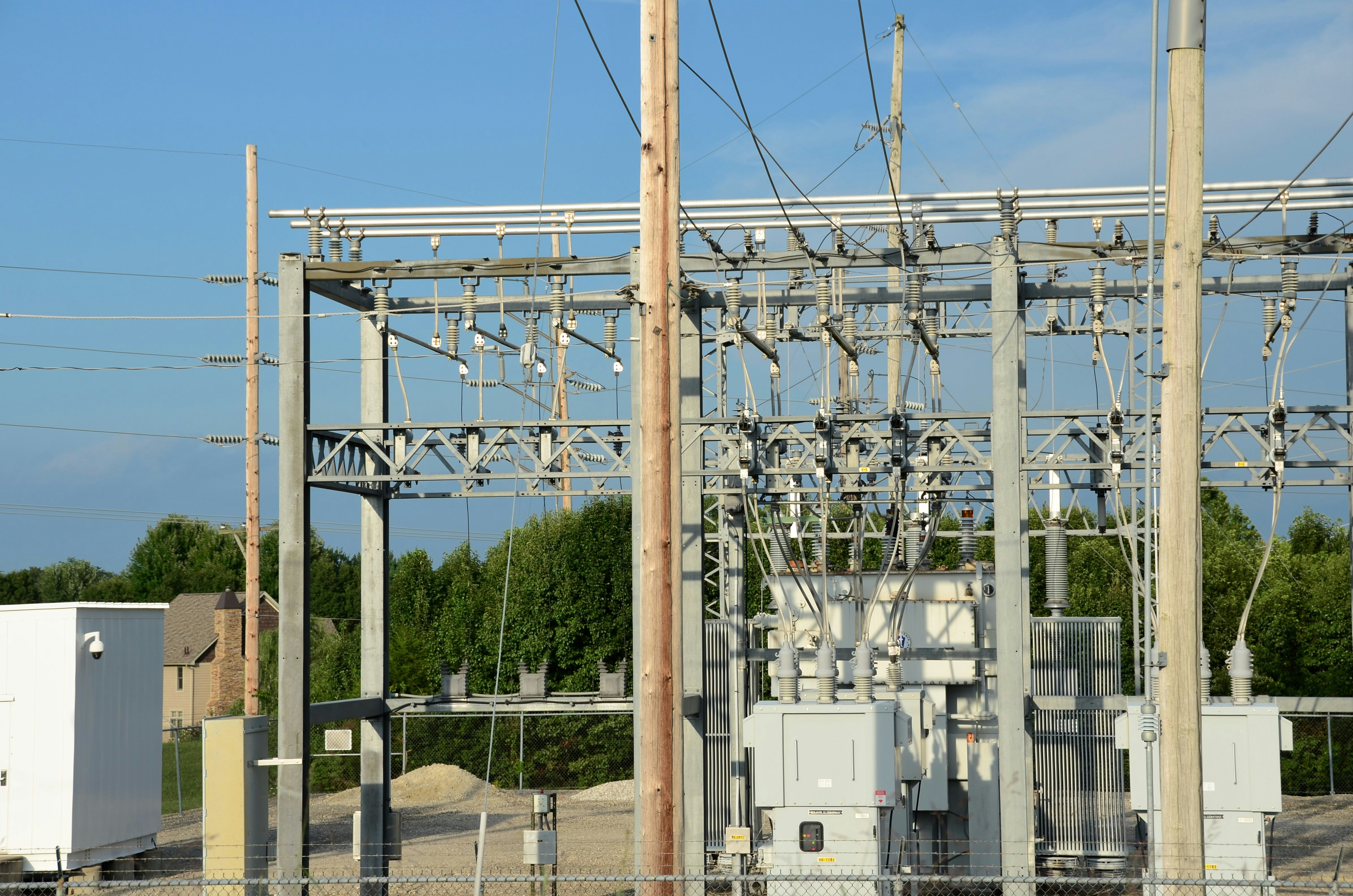
Many businesses underestimate the financial impact of transformer neglect. Explore how routine maintenance, timely diagnostics, and proper servicing can prevent costly outages and turn maintenance from an expense into a long-term investment.
In today’s industrial and commercial environment, power reliability is no longer a luxury. It is a direct business requirement. Whether it is a factory, hospital, shopping centre, data facility, real estate development, school, hotel, or manufacturing plant, a transformer is one of the most important assets in the entire power system.
Yet, in many organisations, transformers are only given attention when something goes wrong.
The problem is simple: by the time a transformer fails, the cost is already much higher than maintenance would have been.
Poor transformer maintenance does not only create technical problems. It creates financial loss, operational disruption, safety risks, and long-term asset damage. What may appear to be a small delay in servicing can quickly turn into expensive downtime, emergency repair costs, replacement costs, and lost revenue.
The Real Cost of Transformer Downtime
When a transformer fails, business operations can stop immediately. Machines shut down, tenants lose power, production lines pause, cold storage systems are affected, and essential services may be interrupted.
The visible cost is usually the repair bill.
The hidden cost is much bigger.
Downtime can lead to:
Lost production hours
Delayed customer deliveries
Damaged equipment
Spoiled stock or materials
Emergency labour costs
Generator fuel costs
Tenant complaints
Reduced business reputation
Safety incidents
Unplanned capital expenditure
For industries that depend on continuous power, even a few hours of downtime can be extremely costly. In some cases, the financial loss from one transformer failure can exceed several years of proper maintenance costs.
Why Transformers Fail
Transformers are designed to operate for many years, but they require regular monitoring and preventive maintenance. Failure often happens gradually before it becomes visible.
Common causes of transformer failure include:
Overheating
Poor oil quality
Moisture contamination
Overloading
Loose connections
Insulation breakdown
Poor earthing
Lack of testing
Dust and environmental exposure
Delayed repairs
Most of these issues can be identified early through proper inspection, oil testing, thermal checks, load monitoring, and routine servicing.
The danger is that many transformer problems develop silently. A transformer may appear to be working normally while internal damage is already taking place.
Preventive Maintenance Protects Your Investment
A transformer is a major electrical asset. Replacing one is expensive, and depending on size and specification, replacement can also take time. Preventive maintenance helps extend the life of the transformer and reduces the chance of sudden failure.
A good maintenance programme should include:
Routine visual inspections
Oil level checks
Oil filtration and testing
Temperature monitoring
Load assessment
Insulation resistance testing
Earthing system checks
Protection relay checks
Cleaning and tightening of connections
Thermal imaging where required
Detailed maintenance reporting
These steps help identify small issues before they become major failures.
From Cost Centre to Profit Protection
Many businesses see transformer maintenance as an expense. In reality, it is a profit protection strategy.
Proper transformer maintenance helps companies reduce emergency costs, avoid downtime, protect machinery, improve energy reliability, and extend asset lifespan.
A well-maintained transformer supports stable operations. Stable operations support revenue. Revenue supports growth.
This is why transformer maintenance should not be treated as a reactive service. It should be treated as part of business continuity planning.
The Risk of Waiting Too Long
One of the biggest mistakes companies make is waiting for signs of failure before calling a specialist. By the time there is noise, overheating, oil leakage, burning smell, tripping, or power instability, the transformer may already be under serious stress.
The longer the issue is ignored, the higher the risk becomes.
A minor oil issue today can become insulation failure tomorrow. A loose connection today can become a fire risk. An overloaded transformer today can become complete breakdown later.
Early maintenance is always cheaper than emergency replacement.
How Pan Africa Transformer Solutions Can Help
At Pan Africa Transformer Solutions, we understand that transformers are not just electrical equipment. They are business-critical assets.
Our approach focuses on prevention, reliability, and long-term asset protection. We support clients with transformer inspection, servicing, testing, maintenance planning, repairs, and technical advisory to help reduce downtime and improve power system performance.
By identifying risks early and keeping transformers in good operating condition, we help businesses protect their operations, reduce unnecessary losses, and make better decisions about their power infrastructure.
Conclusion
Poor transformer maintenance may seem like a saving in the short term, but it often becomes a much bigger cost in the long term.
The real question is not whether maintenance costs money.
The real question is: how much will downtime cost your business?
With the right maintenance partner, transformer reliability can become a source of operational strength, not a hidden risk.
Pan Africa Transformer Solutions helps businesses move from reactive repairs to proactive reliability, turning potential downtime into protected profit.
Protect your transformer before failure costs you more.
Contact Pan Africa Transformer Solutions today to schedule a transformer inspection, maintenance assessment, or technical consultation.